.jpg)
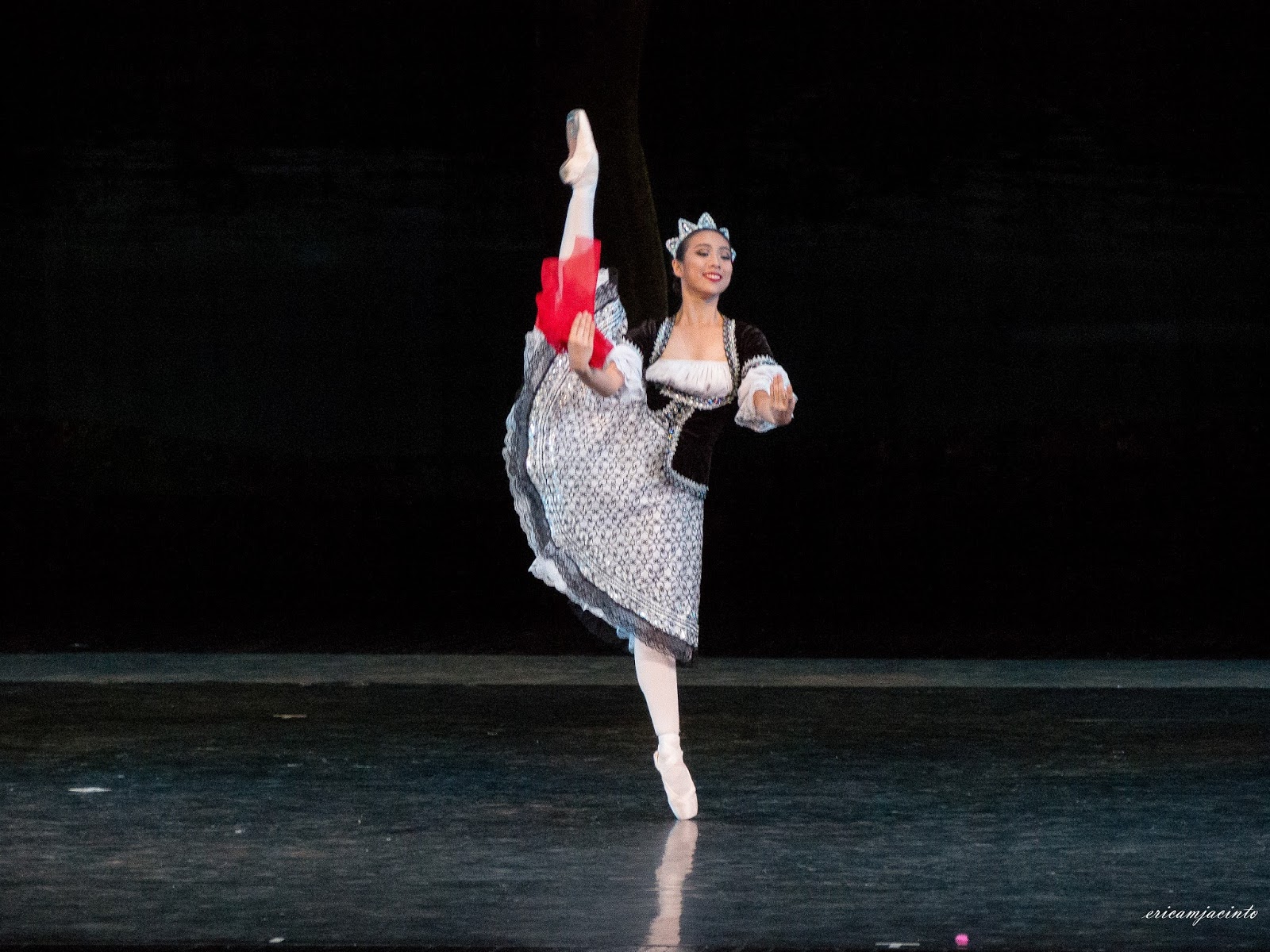
The Philippine Ballet Theatre will have its world premiere of "Sarimanok" on July 6, 2024 at the Samsung Performing Arts Theatre. The ballet, which draws inspiration from the legendary bird of Philippine folklore, will showcase Ronilo Jaynario's brand of neoclassical choreography accompanied by the emotive music of renowned composer Paulo Zarate. This collaboration follows the success of their previous production, "Ibalon," the Bicolano Epic, which premiered in 2023. The production is a testament to the collaborative spirit of this team up. Jaynario expresses, "Ibalon made a strong impact on both the audience and the performers, receiving rave reviews and praise that any dance company would aspire to. So, the challenge is to achieve the same for 'Sarimanok.'"
.jpg)
PBT President Marilou Magsaysay emphasizes that PBT will continue to pursue its vision. She firmly states, "We continue to create innovative performances that fuse classical technique, regional interpretation, and experimental forms, aiming to deliver a ballet experience that is uniquely Philippine Ballet Theatre." The company is dedicated to immortalizing our heritage through ballets that will be appreciated by generations of audiences.
Highlights of the Ballet
This ballet is actually a love story but it is more than that. A few highlights from the ballet include dances that bring contemporary relevance to cultural motifs. The legend of Sarimanok belongs to the vibrant Maranao culture. This ballet includes pieces that reimagine the Singkil, the Malong, and the Aper dances, which highlight our ethnic pride. The Singkil, often regarded as a quintessential Filipino dance, showcases the grace and composure of Filipinos in every situation. The Malong dance symbolizes versatility and functionality, while the Aper, a stately dance, represents pride and good upbringing. The Sarimanok, of course, symbolizes hope and providence. The inclusion of these pieces in the ballet is meant to remind audiences that these qualities are integral to our Filipino identity and should be embraced. Jaynario seizes the opportunity by magnifying his reimaginations of the dances, thrilling audiences with technically sophisticated ballet steps infused into the traditional pieces.


Modern Orchestration
Zarate's score in this ballet captures the temperament of the Filipino. Each track not only mirrors our traditional music but also encapsulates the essence of our national spirit. Notable musical pieces in this ballet include a celebratory fiesta track, a bayanihan track, a romantic pas de deux track, and, of course, a Sarimanok track that evokes the energy of our Filipino festivals.
A Stellar Ensemble of Artists

The ballet features a talented cast of artists who bring their exceptional talents and unique interpretations to this captivating story. Jessa Tangalin and Gladys Baybayan will share the role of the mythical Sarimanok. Alternating as the romantic couple of Indarapatra and the Moon Goddess will be Matthew Davo and Gabrielle Jaynario, and Jimmy Lumba and Joni Galeste. Lastly, Dom Delmo and Justin Orande will perform the role of Sulayman.
With Sarimanok being the second full-length Filipino ballet in a row, PBT hopes to send a strong message that their commitment to creating a national influence through their art is vibrant.
Sarimanok will be showing at the Samsung Performing Arts Theater on July 6 and 7. Tickets can be purchased through Ticketworld or reserved now through Philippine Ballet Theatre by emailing secretariat@pbt.org.ph or messaging 09688708887.
Dancers' Point of View

How do you feel about the role that was entrusted to you?
ELOISA JESSA TANGALIN
Sarimanok
"Sarimanok is a vibrant display of Filipino culture and storytelling, fueled by dynamic choreography set to an empowering musical score. And being given such an important role is quite the challenge, but I feel very determined to do justice to the character and the entirety of the ballet."
GLADYS BAYBAYAN
Sarimanok
"Sarimanok is my first leading role with PBT, so there's a lot of extra pressure. I want to bring to life Teacher Ron's unique choreography and Sir Paulo's captivating music. So the experience for me was both really fun and challenging. In the process, I have to focus on perfecting the steps, turns, and especially the lifts, which push me out of my comfort zone. At the same time, I have to consider how to portray Sarimanok, who is not human. I'm pushing myself to hone my artistry and show the character of a mythical bird. But even with all these challenges, I enjoyed the process of becoming 'Sarimanok'."
.jpg)
JIMMY LUMBA
RAJAH INDARAPATRA
"As an artist, I believe it is our sacred duty to safeguard our history, traditions, and stories. In this time when our younger generation is less interested and seems to overlook the significance of stories like Sarimanok, we at PBT are dedicated and committed to honoring and preserving these narratives. Because these stories are not only part of our heritage, they are the very essence of our identity. It feels good to be able to take part in such an important advocacy."
MATTHEW DAVO
RAJAH INDARAPATRA
Dancing the role of Rajah Indarapatra has given me insight into the various lifestyles and customs in Maranao culture. What makes Sarimanok so interesting is that the music and choreography are designed to showcase Maranao props, movements, and beats but still have a hint of ballet. Through this role, I've learned that true love triumphs all, including familial love, love of duty, and love for the country.
GABBIE JAYNARIO
Moon Goddess"I am deeply honored to portray a role that holds significant importance in the ballet's plot. Dancing a captivating choreography that makes you feel as if you are floating above the clouds is a once-in-a-lifetime artistic satisfaction. Through the privilege of dance, I hope to bring the same satisfaction to the audience. I am thrilled for this role and grateful to be part of a production that proudly showcases Filipino culture and tradition."
What is the symbolic meaning of the Sarimanok?
GABBY JAYNARIO
Moon Goddess
The word Sarimanok can be divided into two parts: "Sari" meaning colorful garments, and "Manok" meaning chicken. A colorful chicken symbolizes good fortune and prosperity. I believe that our culture is adorned with various symbols and cultural icons, like the Sarimanok, to reflect our Filipino values of gratitude and thankfulness. We believe that when good things come our way, it is a blessing from the heavens. And when we receive blessings, we offer them back up to the sky. Just like in the ballet, the Sarimanok is a vessel through which the Moon Goddess blesses the Prince, lifting him up to the heavens as they celebrate their love.
Ron Jaynario
Artistic Director
Sarimanok is the act of being awakened by the rooster in the morning and receiving colorful blessings from above.
3. What lessons can be learned from the Sarimanok Story?
JIMMY LUMBA
Rajah Indarapatra
It may sound cliché, but it is true - pursuing happiness often requires sacrifices. Rajah Indarapatra's love for the Moon Goddess and his decision to leave behind everything he knew, including his kingdom and family, in order to be with her is both heart-wrenching and inspiring. It makes me reflect on the courage it takes to step into the unknown, leaving behind the comfort of familiarity while facing an uncertain future. The idea of not knowing what lies ahead, but holding onto hope that everything will ultimately be alright, serves as a powerful reminder of the complexities involved in the pursuit of true happiness.